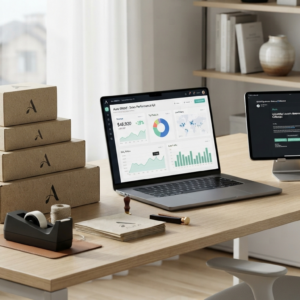
Operating a business from a residential address in the United Kingdom opens up significant opportunities to reduce your overall tax liability. By understanding what expenses you can legally claim through HMRC, you can turn routine household overheads into legitimate business deductions, optimizing your net profit margins.
1. Claiming Simplified Expenses vs. Actual Household Costs
HMRC allows home-based business owners to claim a proportion of their household running costs against their taxable income. You can choose between two main methods:
- Simplified Expenses: A flat-rate monthly deduction based strictly on the number of hours you work from home each month. While convenient, it rarely covers the true cost if you have high utility usage.
- Actual Cost Calculation: Calculating the exact proportion of your home used for business purposes based on floor space and time. You can claim a fair percentage of your electricity, heating, broadband internet, and metered water bills.
2. Deductible Technology and Equipment Expenses
Your home office setup is a goldmine for capital allowances and business expense claims. You can claim tax relief on:
- Hardware and Peripherals: Laptops, dual monitors, enterprise routers, printers, and specialized keyboards used primarily for business operations.
- Software Subscriptions: Monthly or annual costs for cloud storage, accounting software (such as Xero or QuickBooks), graphic design suites, and cybersecurity tools.
- Office Furniture: Ergonomic chairs, standing desks, and professional lighting equipment required for remote client calls or content production.
3. Professional Fees and Insurance Write-Offs
Keeping your business legally compliant incurs operational costs that are fully tax-deductible. Remember to claim:
- Accountancy Fees: The cost of hiring a certified accountant to file your Self-Assessment or Corporation Tax returns.
- Business Insurance: Premiums paid for public liability, professional indemnity, and specialized home business equipment coverage.
- Marketing and Advertising: Costs associated with Google Ads, social media marketing campaigns, and domain hosting.
Best Practices for Expense Tracking
- Open a Separate Business Bank Account: Never mix personal grocery shopping with business software subscriptions to keep HMRC audits seamless.
- Digitize Receipts Immediately: Use mobile scanning apps to save digital copies of every receipt and invoice instantly.
- Consult a Qualified Accountant: Ensure your expense calculations strictly align with current HMRC guidelines to maximize savings safely.